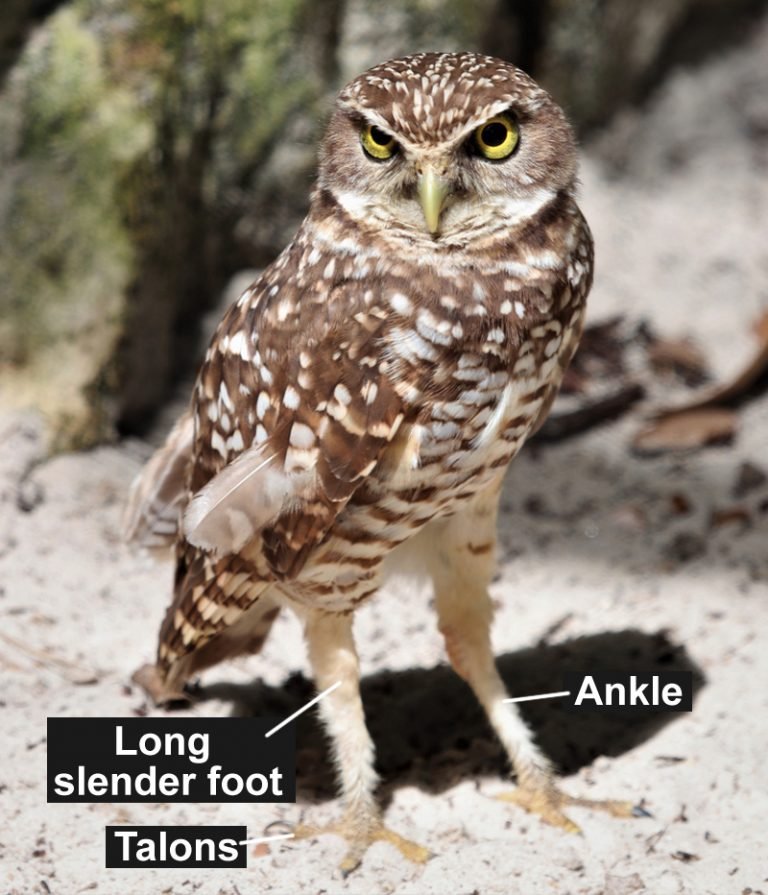
When you picture an owl, you likely imagine a silent hunter, soaring through the night or perched majestically, head swiveling to survey its domain. These magnificent birds are symbols of wisdom and power, but even the most formidable predator can face vulnerability. One of the most common and debilitating challenges an owl can encounter is a leg injury. Understanding Common Leg Injuries & Rehabilitation for Owls isn't just for wildlife professionals; it's crucial for anyone who might encounter an injured bird and wants to make a difference. The swift, informed action of a compassionate individual can quite literally mean the difference between life and death, or between a lifetime of struggle and a return to the wild.
This comprehensive guide will walk you through everything you need to know, from recognizing the subtle signs of distress to the complex process of rehabilitation, ensuring you're equipped with the knowledge to help these incredible creatures when they need it most.
At a Glance: What You Need to Know
- Spotting Trouble: Look for limping, swelling, difficulty perching, or changes in posture. Subtle signs include reduced activity, appetite changes, or quietness.
- Act Fast, Don't Hesitate: An injured owl is often critically ill. Contact a licensed wildlife rehabilitator immediately.
- Hands-Off Approach: Resist the urge to handle an owl directly unless absolutely necessary and you're prepared. An owl acting "tame" is often near death and stressed by contact.
- Safe Transport is Key: Use a secure, dark cardboard box with air holes and an old towel. Keep the owl quiet and warm (if needed) during transit.
- Professional Care is Paramount: Wildlife care requires specialized training, permits, and equipment (like X-rays and surgical tools). Do not attempt to care for an injured owl yourself.
- Rehabilitation is a Journey: Recovery involves veterinary diagnosis, potential splinting or surgery, pain management, specific nutrition, and a carefully managed, stress-free environment.
The Plight of an Injured Owl: Recognizing the Signs
Owls, like many wild animals, are masters of disguise when it comes to pain. In nature, showing weakness is an invitation for predators, so they've evolved to hide their suffering until they simply can't anymore. This makes early detection challenging but incredibly important.
Why Owls Hide Their Pain
Their instinct for self-preservation means an owl will often endure significant discomfort without obvious complaint. They'll try to behave normally, even with a severe injury, right up until their body gives out. This stoicism is a survival mechanism in the wild, but it means that by the time you notice clear signs, the injury might be quite advanced or the owl severely debilitated. This is why vigilance, especially after a potential accident, is so vital.
Obvious Red Flags: When Something is Clearly Wrong
When an owl can no longer mask its injury, certain signs become apparent:
- Limping or Lameness: Any noticeable favoring of one leg, difficulty putting weight on it, or an altered gait is a major indicator.
- Swelling or Bruising: Localized swelling around a joint or bone, or visible bruising, points to trauma.
- Difficulty Perching or Standing: An owl struggling to grip a perch, losing its balance, or refusing to stand could have a leg issue.
- Changes in Posture: An unnatural stance, holding a leg oddly, or appearing hunched can signal pain.
- Misshapen Limb: In cases of severe fractures, the leg might appear visibly bent, twisted, or at an unnatural angle.
- Weight-Bearing Avoidance: If the owl actively avoids putting any weight on a specific leg, it's a strong sign of injury.
Subtle Cues: The Whisper of Distress
Beyond the obvious, owls may display more nuanced behaviors indicating they are in pain or unwell:
- Reduced Activity: Less movement, sitting in one spot for extended periods, or a general lethargy.
- Appetite Changes: A sudden disinterest in food or a noticeable decrease in eating.
- Disheveled or Fluffed Feathers: While sometimes a sign of cold, persistent fluffing or unkempt plumage can indicate illness or stress.
- Softer Chirps or Silence: A normally vocal owl becoming quiet, or its calls becoming subdued, can be a symptom of distress.
- Slipping or Instability on Perch: A critical sign that grip strength or balance is compromised.
Post-Accident Vigilance: Proactive Checks
After any incident that could cause injury, it's crucial to observe carefully. This includes:
- Falls from a Perch: Even seemingly minor falls can result in sprains or fractures.
- Cage Hazards: Entanglements in loose wires or netting.
- Pet Attacks: Cat or dog attacks, even if seemingly minor, often lead to serious internal or external injuries.
- Flight Collisions: Hitting windows, vehicles, or other structures.
- Accidental Stepping: If an owl is in an area where it could be accidentally stepped on.
In these situations, immediate observation for any of the signs listed above is paramount. Remember, birds are experts at hiding pain, so even a slight change warrants concern.
You Found an Injured Owl: What to Do (And What NOT to Do)
Finding an injured owl can be distressing, but your calm and informed response is its best chance. The most important rule? Do not hesitate. Sick or injured owls are often in critical condition, and time is of the essence.
Is It Really Injured? Understanding Fledglings
Before you leap into action, it's vital to differentiate between an injured adult and a healthy fledgling.
- Fledgling Owlets: If you see a young owlet with a fuzzy head and body, but its wing feathers are fully grown and it has a stubby tail, it's likely a fledgling learning to fly. Spending time on the ground is a normal part of their development as they master flight. Their parents are usually nearby, watching and providing food. Only intervene if the owlet is visibly injured, both parents are known to be gone, or it's in an extremely dangerous location (like a busy road).
- Moving Owlets in Danger: If a fledgling is in immediate danger, you can gently nudge the back of its legs with a stick to encourage it to move to a safer spot. If you must handle it, wear thick leather gloves. Don't worry about parents rejecting young touched by humans—that's a myth. Fledglings are surprisingly adept at climbing trees using their feet, beaks, and wings, especially if there's a sloping trunk nearby.
- Adult Owls: Any adult owl on the ground that you can easily walk up to needs help. A healthy adult owl would almost certainly fly away long before you could get close.
Safely Picking Up an Owl: A Step-by-Step Guide
If an adult owl is on the ground and appears injured, or a fledgling is in critical danger, you may need to contain it for transport to a rehabilitator. Remember, owls have powerful talons and sharp beaks. Safety for both you and the owl is paramount.
- Prepare a Container: Find a sturdy cardboard box that's large enough for the owl to stand without bending its tail or wing feathers. A pet carrier covered with a towel also works. Punch several air holes in the box. Line the bottom with an old towel or shirt for cushioning and grip. Never use a wire cage, as the owl's delicate feathers can be damaged.
- Approach with Caution & Secure: Approach the owl slowly and quietly from behind or the side. Gently toss a towel, blanket, or jacket over the owl. This helps calm it and protects you. As you do this, carefully but firmly press the owl's wings to its body through the fabric, preventing it from flapping and causing further injury or harming you. Be extremely mindful of its feet and beak—they are powerful weapons.
- Place in Box: Once the owl is secured within the blanket, carefully scoop it up and place it into the prepared box.
- Close Securely: Immediately close the box and tape it shut, or interlock the flaps firmly. Owls can "wake up" quickly and become agitated, so ensure the container is escape-proof.
Essential Information for the Rehabilitator
Once the owl is safely contained, grab a piece of paper and write down crucial information. Tape this to the box:
- Species (if known): E.g., Great Horned Owl, Barred Owl.
- Date Found: The exact date and time.
- Finder's Contact Info: Your name, cell phone number, and email.
- Exact Location Found: Be as specific as possible (e.g., "front yard, 123 Main St, near oak tree"). This is vital for potential release.
- Situation Details: What happened? (e.g., "hit by car," "flew into window," "obvious broken wing," "weird head movements," "attacked by cat").
- Any Interventions: (e.g., "placed half on/half off a heating pad").
Care Until Transport: Minimizing Stress
- Quiet Location: Keep the owl in the box in the quietest part of your home, away from children, pets, and loud noises. Darkness helps reduce stress.
- Transporting: When driving, keep the radio off, voices low, and accelerate/brake smoothly.
- Warmth (if needed): If you anticipate a delay in transport, you can place half of the box on a heating pad set to low. This allows the owl to move to the cooler side if it becomes too warm.
Crucial Warnings: What NOT to Do
These guidelines are not just recommendations; they are vital for the owl's survival and your safety.
- Don't Wait: An injured owl is likely in a critical state. Every minute counts. Contact a licensed wildlife rehabilitator as quickly as possible. Many rehabilitators have networks of volunteers who can assist with transport.
- Don't Handle "Tame" Owls: An owl that appears "tame" or doesn't resist being approached is likely extremely ill, injured, and close to death. It lacks the energy to fight or flee. The additional stress of being held or excessively handled can easily push it over the edge.
- Don't Care for It Yourself: Wildlife rehabilitation requires extensive training, specialized permits (often illegal without them in the U.S.), and specific medical knowledge and equipment. Orphans need to be raised by their own species to develop natural behaviors. An injured owl often requires fluid therapy, antibiotics, pain medication, and potentially complex procedures like bone setting or surgery. Get the owl to a professional immediately.
The Veterinary Journey: Diagnosis and Initial Treatment
Once the owl reaches a licensed wildlife rehabilitator, its journey to recovery truly begins. This initial phase is critical for accurate diagnosis and stabilizing its condition.
The Importance of a Professional Diagnosis
A wildlife veterinarian or experienced rehabilitator will be able to properly assess the owl's condition. They are trained to identify not only the obvious injuries but also the internal trauma or subtle signs of illness that could be missed by an untrained eye. Attempting to diagnose or treat an owl yourself would be like trying to perform surgery after watching a YouTube video – ineffective and potentially harmful.
The Physical Examination
During the physical exam, the vet will carefully, yet gently, palpate (feel) the injured leg. This allows them to:
- Identify Fractures: They can often feel the break in the bone, noting any unusual movement or crepitus (a grating sound).
- Assess Swelling and Tenderness: Swelling indicates inflammation or fluid accumulation, while tenderness suggests pain upon touch.
- Check Joint Abnormalities: They'll evaluate the range of motion and stability of the joints.
- Monitor Pain Indicators: Watch for subtle signs of pain, such as flinching, withdrawal, or changes in breathing rate, during examination.
Diagnostic Imaging: Seeing Beyond the Surface
While a physical exam is invaluable, X-rays (radiography) are essential for a definitive diagnosis of bone injuries.
- Pinpointing Issues: X-rays provide a clear image of the bones, allowing the vet to pinpoint the exact location, type, and severity of a fracture. This is crucial for determining the best course of treatment.
- Two Views are Critical: To accurately interpret an X-ray, veterinarians typically require two radiographic views, taken at different angles. This helps them understand the three-dimensional nature of the injury, avoiding misinterpretations that could occur from a single view. Services like Antech Imaging Services often assist veterinarians in getting comprehensive diagnostic reads.
- Beyond Bones: X-rays can also reveal other issues, such as foreign bodies or certain soft tissue abnormalities, though more advanced imaging might be needed for intricate soft tissue damage.
Initial Treatment Approaches: Stabilizing the Injury
Based on the diagnosis, the veterinary team will formulate an immediate treatment plan. The goal is to stabilize the owl and its injury.
- Pain Management: Administering appropriate pain medication is a priority to alleviate suffering and reduce stress.
- Wound Care: Any open wounds or lacerations will be cleaned and treated to prevent infection.
- Fracture Stabilization: Depending on the type and severity of the leg injury, initial stabilization may involve:
- Temporary Splinting: For certain fractures, a temporary splint might be applied to immobilize the limb and prevent further damage until a more definitive treatment can be carried out.
- Bandaging: Supportive bandaging can help reduce swelling and offer comfort.
This initial phase is about managing the immediate crisis and preparing the owl for the more intensive rehabilitation process.
The Road to Recovery: Rehabilitation Strategies
Rehabilitation for an owl with a leg injury is a meticulous process demanding patience, expertise, and a dedicated team. It's a journey from initial injury stabilization to strengthening and eventual release.
Splinting Techniques: A Non-Invasive Approach
For certain fractures, particularly those that are stable and less complex, splinting is a preferred method of immobilization. The goal is to align the bone fragments correctly and hold them stable so they can heal.
- Preparation: Before applying a splint, feathers near the fracture site are carefully plucked. This ensures the splint material adheres directly to the skin, preventing slippage and allowing for proper monitoring of the limb.
- Material and Application: Hypoallergenic tape is often applied directly to the skin as a first layer. Then, various splint materials (such as tongue depressors, lightweight plastic, or specialized orthopedic tape) are layered to provide firm, yet gentle, support.
- Critical Alignment: Proper alignment is paramount. The bone fragments must be positioned correctly for the bone to heal straight and strong. An incorrectly aligned splint can lead to malunion, where the bone heals in a deformed way, permanently impairing the owl's mobility. A well-applied tape splint can be surprisingly effective at stabilizing straightforward fractures.
Surgical Solutions: When Splints Aren't Enough
For more severe or complex fractures that won't heal effectively with splinting alone, surgical intervention becomes necessary. These procedures are performed by specialized avian or orthopedic surgeons.
- Stabilizing Bones: Surgical options often involve internal or external fixation.
- Pinning Techniques: Small pins or wires might be inserted directly into the bone marrow cavity to hold fragments together.
- External Fixation: Involves pins placed through the bone and connected to an external frame, offering strong stabilization while allowing access for wound care.
- Bone Grafts: In some cases, where there's significant bone loss or a non-healing fracture, bone grafts (taking bone tissue from another area or using a donor) might be used to stimulate new bone growth.
- Precision Healing: Orthopedic surgery guarantees precise anatomical alignment and stabilization, crucial for ensuring the owl regains full use of its leg. This often involves microsurgical instruments for delicate work.
Post-Treatment Essentials: Nurturing the Healing Process
After splinting or surgery, the owl enters a critical post-treatment care phase focusing on healing and comfort.
- Calm, Stress-Free Space: The owl needs a quiet, dimly lit, and secure enclosure where it can rest undisturbed. Minimizing stress is crucial for healing.
- Daily Splint Checks: The rehabilitator or vet technician will daily check the splint for:
- Swelling in the Foot: Indicating the splint might be too tight.
- Cleanliness: To prevent skin irritation or infection.
- Dryness: Moisture can lead to skin issues or infection.
- Stability: Ensuring the splint hasn't shifted and is still providing adequate support.
- Bandage Changes: Bandages typically need to be changed every five days, or more frequently if soiled or wet. This allows for inspection of the skin and reassessment of the limb.
- Pain Medication: Prescribed pain medication is administered regularly to keep the owl comfortable, reduce inflammation, and prevent secondary stress from pain.
- Veterinary Rechecks: Regular rechecks are essential. The vet will monitor healing progress, assess pain levels, and make adjustments to the treatment plan as needed. This often includes follow-up X-rays.
Nutritional Support: Fueling Bone Repair
Proper nutrition and hydration are fundamental to healing.
- Fresh Water: Daily provision of fresh water in easily accessible, shallow dishes is vital.
- Essential Nutrients: Bone repair is an energy-intensive process that requires specific nutrients.
- Calcium: A cornerstone of bone structure.
- Vitamin D: Crucial for calcium absorption.
- A vet might recommend supplements if the owl's diet or condition suggests a deficiency.
- Stimulating Appetite: Injured or stressed owls might lose their appetite. Rehabilitators employ strategies like scatter feeding (scattering food in the enclosure to encourage natural foraging) or presenting food in different bowls or closer to the resting area to tempt the owl to eat.
Creating a Healing Habitat: Beyond the Cage
The physical environment plays a significant role in recovery.
- Recovery-Friendly Perches: Low perches, wrapped with non-slip bandages or vet wrap, provide stability without requiring much effort or balance. This prevents further injury from falls.
- Soft Flooring: The enclosure floor should be soft and forgiving, such as old towels or blankets, to cushion any falls and prevent pressure sores.
- Isolation: The injured owl must be isolated from other pets and, ideally, other owls (unless it's a bonded pair and the rehabilitator deems it safe) to minimize stress and prevent further injury.
The coordinated efforts of veterinarians, rehabilitators, and caretakers in applying these comprehensive strategies are what ultimately give an injured owl the best chance at a successful recovery and, ideally, a return to the wild. This dedication often extends to understanding the unique needs of different species, as further explored in resources like All about the leg owl.
Navigating the Challenges: Factors Affecting Recovery & Complications
Even with the best medical care, an owl's journey to full recovery can be fraught with challenges. Several factors influence the outcome, and potential complications can arise, highlighting the delicate balance required in rehabilitation.
Key Factors Influencing Recovery
Not all owls heal at the same pace or with the same success rate. Several elements play a significant role:
- Age and Health Status: Younger birds generally have a faster metabolism and more robust healing capabilities, leading to quicker recovery times. An owl's overall health status before the injury – free from underlying diseases or nutritional deficiencies – also significantly impacts its ability to heal effectively.
- Fracture Severity: Clean, simple breaks (e.g., a simple transverse fracture) tend to heal much better and with fewer complications than comminuted fractures (where the bone shatters into multiple pieces) or open/compound fractures (where the bone breaks through the skin, introducing a high risk of infection).
- Treatment Compliance: The owl's tolerance of its splint or external fixator, its cooperation during bandage changes, and its acceptance of medication directly affect the success of treatment. A stressed or uncooperative bird can complicate care.
- Nutritional Support: Beyond general sustenance, specific nutrients are crucial. Adequate intake of calcium, vitamin D, and exposure to appropriate levels of sunlight (for natural vitamin D synthesis) are vital for strong bone repair and overall recovery.
Potential Complications: The Downside of Healing
Despite meticulous care, complications can arise, sometimes jeopardizing the owl's full recovery or even its life.
- Infection Risk: This is perhaps the most significant concern, especially with open or compound fractures where the bone has broken through the skin.
- Septicemia: A severe bloodstream infection that can be fatal if not treated aggressively.
- Symptoms: Watch for warmth, redness, swelling, pus, or discharge around the injury site. Fever and lethargy are also red flags.
- Malunion Fractures: This occurs when the bone heals incorrectly, in an abnormal position. It can lead to permanent lameness, reduced mobility, and inability to hunt effectively, potentially making the owl unreleasable.
- Muscle Atrophy: Prolonged immobilization of the limb can lead to significant muscle wasting. Rebuilding muscle strength and mass is a key part of the rehabilitation process, but severe atrophy can hinder full recovery.
- Reduced Mobility: Even after the bone heals, the owl may experience a permanent reduction in the range of motion or flexibility of the affected joint, impacting its ability to perch, walk, or grasp prey.
- Swelling and Circulatory Issues: Persistent swelling around the injury site or from a too-tight bandage can compromise circulation, leading to tissue damage.
- Gangrene or Necrosis: These are severe tissue damage or death.
- Leg Bands/Hanging Injuries: Sometimes caused by tight leg bands, fishing line, or other entanglements that cut off circulation. This can lead to the loss of toes or even the entire lower leg.
- Abrasions from Bandaging: While bandages are vital, if not applied and maintained correctly, they can cause skin irritation, sores, or abrasions, which can then become sites of infection.
- Untreated Fractures: Without professional intervention, an untreated fracture almost inevitably leads to severe consequences: chronic pain, permanent lameness, inability to hunt, and ultimately, death due to starvation or predation.
Recognizing these risks and proactively managing them is a cornerstone of effective wildlife rehabilitation. It underscores the intense, skilled care required to bring an owl back from severe injury.
Beyond the Injury: Long-Term Care and Prevention
Successful rehabilitation doesn't end when the bone heals. The final phase focuses on preparing the owl for its return to the wild or, if release isn't possible, ensuring a high quality of life in captivity. This involves gradual recovery, environmental adaptation, and diligent preventative measures.
Gradual Rehabilitation: Rebuilding Strength and Skill
Once the immediate injury has healed, the focus shifts to restoring full function.
- Mobility Aids: In the initial stages, soft, wide perches and ramps can help the owl regain confidence and practice weight-bearing without excessive strain. As strength returns, perches of varying diameters and textures encourage natural gripping and leg muscle engagement.
- Environmental Enrichment: A stimulating environment is crucial for both physical and mental well-being. This includes providing opportunities for climbing, short flights (in progressively larger flight enclosures as appropriate), and interactive elements that mimic natural foraging behaviors. This helps prevent boredom and muscle atrophy.
- Controlled Exercise: Under expert supervision, specific exercises might be introduced to improve range of motion, muscle strength, and coordination. This is often a careful balance to avoid re-injury.
Continued Pain Management and Monitoring
Even after apparent healing, some owls may experience residual pain or discomfort, especially with changes in weather or activity.
- As-Directed Pain Management: Pain medication may continue to be administered as directed by the vet, often on an "as-needed" basis or during periods of increased activity.
- Observational Monitoring: Rehabilitators continuously monitor the owl for subtle signs of pain, changes in gait, or reluctance to use the limb, allowing for quick adjustments to care.
Preventative Measures: Safeguarding Against Future Injuries
The best rehabilitation is often prevention. While many injuries are accidental, proactive steps can reduce risks.
- Proper Perch Placement: For captive owls or those in large enclosures during rehab, perches should be placed at appropriate heights and distances to encourage natural movement without risk of falls or awkward landings. Materials should be varied and non-abrasive.
- Regular Checkups: Even healthy captive owls benefit from regular veterinary checkups to catch any underlying health issues that could predispose them to injury (e.g., bone density issues) and ensure proper nutrition.
- Environmental Safety: Ensuring any captive environment is free of hazards—such as loose wires, sharp edges, or inappropriate substrate—is paramount.
- Wild Owl Habitats: For wild populations, advocating for responsible land use, reducing pesticide use (which can lead to secondary poisoning affecting bone health), and promoting wildlife-friendly infrastructure (e.g., bird-safe windows) contributes to overall owl safety.
Stress Management Techniques: Holistic Well-being
An owl's mental state significantly impacts its physical recovery.
- Quiet Enclosures: Maintaining a calm and quiet environment minimizes stress.
- Predictable Routines: Consistent feeding times and care routines can reduce anxiety.
- Limited Human Contact: Unless absolutely necessary for medical care, human interaction should be kept to a minimum to avoid habituation and stress.
- Visual Barriers: Enclosures often have visual barriers or hides where the owl can retreat and feel secure.
By integrating these long-term care and preventative measures, wildlife professionals aim not just for an owl's survival, but for its thriving return to its natural behaviors and the wild world it belongs to.
Taking Action: Your Role in an Owl's Future
Encountering an injured owl can be a profound experience, stirring a deep desire to help. While the medical and rehabilitative journey is complex, your role as the first responder is arguably the most critical. You are the bridge between a vulnerable, injured creature and the expert care it desperately needs.
Remember, the majestic nature of an owl doesn't make it invincible. From simple sprains to severe fractures requiring intricate surgery, leg injuries can render these magnificent birds helpless. Your ability to swiftly and safely contain an injured owl, communicate its situation accurately, and get it to a licensed professional without delay is what truly empowers its recovery.
Do not attempt to self-diagnose, self-treat, or keep an injured owl. Not only is it often illegal, but it almost certainly guarantees a poor outcome for the bird. Instead, arm yourself with knowledge, act responsibly, and trust the experts. By understanding Common Leg Injuries & Rehabilitation for Owls and knowing the right steps to take, you become a silent guardian for these vital creatures of the night, helping them reclaim their place in the wild.