The Hidden Powerhouse: Unveiling the Developmental Biology of Owl Legs
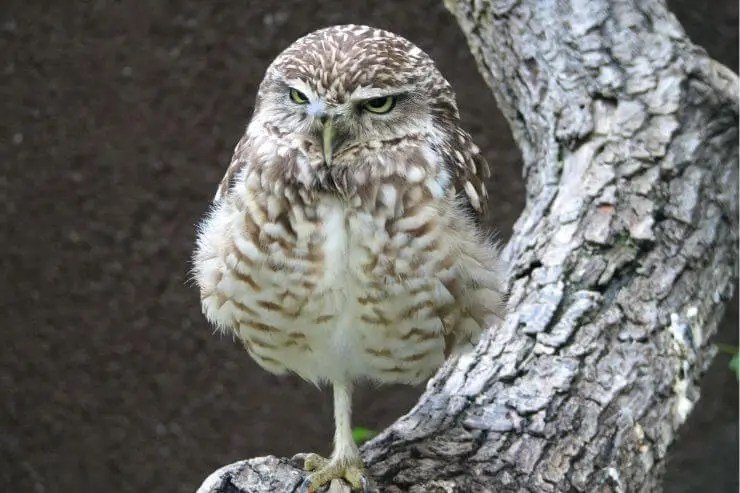
You’ve probably seen an owl perched, seemingly legless, a fluffy enigma with only piercing eyes and razor-sharp talons peeking out. This optical illusion, however, belies one of nature’s most sophisticated engineering marvels: the owl’s leg. Far from being stubby or absent, these limbs are surprisingly long, incredibly powerful, and exquisitely adapted for their raptorial lifestyle. Understanding the developmental biology of owl legs isn't just about anatomy; it's about appreciating a saga of evolutionary refinement, genetic programming, and biomechanical brilliance that culminates in a silent, deadly hunter.
From the initial formation of limb buds in the embryo to the hardening of keratin talons and the development of unparalleled grip strength, every aspect of an owl's leg is a testament to its predatory niche. These aren't merely appendages for movement; they are a complex system of bones, muscles, tendons, nerves, and specialized tissues, all synergistically designed to locate, capture, and dispatch prey with lethal efficiency.
At a Glance: What Makes Owl Legs So Extraordinary?
- Longer Than You Think: Owl legs are often surprisingly long, hidden by dense feathers and a unique resting posture.
- Hidden Knee & Upper Leg: The true knee and femur are tucked high against the body, centralizing weight for stable flight.
- Zygodactyl Feet: Two toes forward, two backward for an incredibly secure grip on prey and perches.
- Flexible Outer Toe: Allows owls to adjust their toe configuration (2-2 or 3-1) for different activities.
- Immense Grip Strength: Up to 500 pounds per square inch, delivering a fatal crushing force.
- Specialized Talons: Eight needle-sharp, curved keratin talons, crucial for piercing and immobilizing prey.
- Rough, Knobby Skin: Provides extra grip, especially for fishing owls on slippery prey.
- Feathered Feet: Insulation and protection, varying by species and habitat.
- Locking Mechanism: Enables energy-efficient perching and holding prey without continuous muscle exertion.
- Multifunctional: Beyond hunting, they aid in flight, landing, temperature regulation, and manipulating food.
- Adapted to Niche: Leg length and features vary significantly between ground-dwelling (longer legs) and forest-dwelling (shorter legs) species.
Deconstructing the Owl's Lower Limb: An Anatomical Marvel
When you see an owl perched, you might notice only a fluffy body seemingly resting directly on its branch. This illusion is a masterclass in avian camouflage and structural efficiency. The dense, specialized feathering of an owl, often extending down its legs and even over its feet in many species, creates a voluminous silhouette that conceals the limbs tucked tightly against its body. This resting posture, combined with the plumage, makes their legs appear short or non-existent.
Yet, when an owl stands tall, especially a species like the Snowy Owl emerging from snow, or a Barn Owl preparing to strike, the true length and slenderness of their legs become evident. These seemingly "hidden" limbs are essential for their hunting strategy, allowing them to plunge through snow, vegetation, or even water to secure elusive prey.
The Skeletal Foundation: Efficiency in Design
What appears to be the lower leg of an owl is actually a fused bone structure called the tarsometatarsus. This bone is a fusion of what, in humans, would be our ankle and some of our foot bones. It’s remarkably long and strong, acting as a crucial lever during the strike.
The true knee joint and the upper leg bone (femur) are surprisingly short and positioned high up, tucked close to the owl's body and completely hidden under layers of dense feathers. This anatomical arrangement isn't just for concealment; it's a critical biomechanical adaptation. By keeping the large, powerful muscles of the upper leg compact and close to the body's core, the owl centralizes its weight. This centralization is paramount for stable flight, improving maneuverability and reducing air resistance, especially during rapid descents or explosive pounces.
Muscle Power: The Engine of the Strike
The muscles responsible for the owl's legendary grip strength and powerful strike are strategically placed. The largest and most powerful flexor muscles (those that contract to grip) are situated in the upper leg and thigh, connected to the talons by long, robust tendons that run down the tarsometatarsus. This arrangement further contributes to the centralization of mass, keeping the distal parts of the leg relatively lighter, which is beneficial for both flight and rapid leg extension during a pounce.
The developmental biology of owl legs dictates the precise arrangement and growth of these muscular-skeletal components. From the embryonic stage, signaling pathways guide the formation of these bones and the attachment of muscles, ensuring the adult structure is optimally configured for its predatory role. This intricate development allows for the explosive force needed to pounce and the sustained pressure required to immobilize prey.
Zygodactyly: The Grip of a Predator
One of the most distinctive and functionally critical features of an owl's foot is its zygodactyl arrangement. Unlike our feet, or even many other bird species, owls have two toes pointing forward and two pointing backward. This specific configuration provides an unparalleled, vice-like grip that is essential for both securing perches and, more importantly, clutching struggling prey.
The Mechanics of the Two-Forward, Two-Back Configuration
Imagine trying to hold a smooth, cylindrical object. With all fingers pointing in one direction, it's challenging to get a truly secure hold. Now, imagine having opposing digits. This is the advantage zygodactyly offers. The opposing digits act like pincers, allowing the owl to wrap its foot almost entirely around its target, distributing grip pressure evenly and preventing slippage. This wide, firm grasp is critical when dealing with live, often wriggling, prey.
The Flexible Outer Toe: Adaptive Rotation
Adding another layer of sophistication to this design is the remarkable flexibility of the owl's outer front toe (the fourth toe). This toe isn't rigidly fixed in a forward position; it can rotate almost 180 degrees backward. This means an owl can fluidly switch its foot configuration:
- Zygodactyl (2-forward, 2-back): Ideal for grasping prey, ensuring maximum purchase and preventing escape. It’s also excellent for perching on narrow branches, providing exceptional stability.
- Anisodactyl (3-forward, 1-back): A more common foot arrangement in many birds, this configuration can be adopted by owls for walking or standing on flat surfaces, or even to adjust their grip slightly on a very broad perch.
This adaptive rotation showcases a sophisticated aspect of the developmental biology of owl legs. The musculature and ligamentous structures that permit this degree of rotation must develop precisely to allow such flexible control without compromising strength. It’s a subtle yet powerful adaptation, allowing the owl to optimize its foot for varying tasks, whether it's clutching a vole or balancing on a swaying branch.
Talons: Sharpened Tools of Survival
The talons are the owl's primary weapon, the sharp, curved extensions of its toes that deliver the killing blow. These aren't just sharp nails; they are incredibly strong, specialized structures, each one a testament to predatory evolution.
Keratin Claws: Structure and Composition
Owl talons are made of keratin, the same tough, fibrous protein that forms our fingernails and hair, but in owls, it's designed for extreme strength and sharpness. Each toe culminates in a long, needle-sharp, and powerfully curved talon. In total, an owl possesses eight such weapons – one per toe. Their sharpness is maintained through regular grooming and wear, ensuring they are always ready for action.
The development of these talons is a continuous process. Keratin is constantly growing from the nail bed, replacing worn material and allowing for repair. This ongoing developmental process ensures the integrity and effectiveness of the owl's primary hunting tools throughout its life.
Unmatched Grip Strength: Numbers and Impact
When an owl strikes, it doesn't just grab; it clamps down with immense force. The grip strength of an owl is legendary, measuring anywhere from 200 to 500 pounds per square inch (PSI). To put that into perspective, this is approximately ten times stronger than the average human's grip. This incredible strength is not merely for holding but for crushing.
The developmental biology of owl legs ensures that the musculature responsible for this grip — particularly the flexor muscles and their tendons — grows to be exceptionally robust. The tendons, which connect muscle to bone, must be incredibly strong and resistant to tearing under such extreme pressure. From a young age, the growing owl's muscles and tendons develop the capacity to generate and withstand these forces, honed through instinctual grasping and playful 'hunting' within the nest.
The Kill Mechanism: Crushing, Piercing, Immobilizing
The combination of immense grip strength and needle-sharp talons is a devastatingly effective killing mechanism. When an owl pounces, it extends its long legs just before impact, allowing the full force of its body weight and muscular power to drive the talons deep into the prey.
The zygodactyl arrangement ensures a firm, wide grip, with all four talons on each foot piercing the prey. The tremendous leg muscle force immobilizes the captured animal almost instantly. The kill often occurs through one of several rapid methods:
- Constriction: The powerful grip can crush vital organs or suffocate smaller prey.
- Stabbing: The sharp talons pierce through flesh, puncturing lungs or the heart.
- Spine Severing: Often, an owl can precisely target the neck or spine, paralyzing or instantly killing the prey.
This entire sequence – from the explosive pounce to the crushing grip – is a highly coordinated neuromuscular event, the result of millions of years of evolutionary development perfecting the predatory strike.
Specialized Foot Features: Beyond the Basic Grip
Beyond the fundamental structure and incredible grip, owl feet possess an array of specialized features that further enhance their survival and hunting prowess. These adaptations demonstrate a finely tuned evolutionary response to diverse habitats and prey types.
Rough, Knobby Soles: Grip on Prey and Perches
Many owl species have specialized skin on the soles of their feet that is notably rough and covered in small, textured knobs or papillae. This isn't just random texture; it's a critical adaptation for friction. This rough skin acts like natural sandpaper, providing superior grip on slippery surfaces like tree bark or, more crucially, on the often-slick fur or scales of captured prey. Fishing owls, for instance, which prey on slippery fish, exhibit exceptionally rough soles, almost like built-in non-slip pads.
The developmental biology of owl legs includes the genetic programming for the growth and differentiation of these specialized epidermal cells, ensuring that the unique texture forms as the owl matures. This feature varies significantly among species, reflecting their specific ecological niches and hunting strategies.
Feathered Feet: Insulation and Protection
Perhaps one of the most charming yet practical features of many owl species is their heavily feathered feet. Species like the iconic Snowy Owl, which hunts in Arctic tundras, have feet so densely covered in feathers that they resemble fluffy slippers. This feathering serves two primary purposes:
- Insulation: In extremely cold climates, these feathers provide critical insulation against frostbite, protecting the delicate skin and tissues of the feet from freezing temperatures.
- Protection: The dense feathering also offers a degree of protection against bites from struggling prey, adding a layer of defense around the vulnerable talons and toes.
The extent of foot feathering can even vary within a species based on habitat and gender. For example, female Burrowing Owls, which spend more time inside cooler burrows tending to eggs and young, often exhibit more leg feathering than males, who are typically more involved in digging and hunting outside. This subtle phenotypic plasticity, where environmental factors can influence the expression of developmental traits, highlights another fascinating aspect of how these limbs are shaped.
The Locking Mechanism: Energy Conservation
Imagine holding a heavy object for hours without fatigue. Owls achieve something similar with their feet. A unique locking mechanism in their tendons allows them to clamp onto a target or perch without continuous muscle exertion. Once the talons grip, specialized tendons automatically lock into place, requiring minimal energy to maintain the hold.
This mechanism is crucial for:
- Perching: Owls can comfortably perch for long periods, even while sleeping, without expending energy to grip.
- Holding Prey: After a successful hunt, an owl can maintain its powerful grip on its meal as it flies back to a safe spot, or while it eats, freeing up energy for other vital functions.
The development of this intricate tendon and bone structure, along with the precise nerve pathways that control its engagement and release, is a remarkable feat of biomechanical engineering driven by evolutionary pressures.
The Serrated Middle Toe: Grooming and Subduing
Some owl species, such as the Barn Owl, possess another peculiar adaptation: a serrated underside on their middle toe. This comb-like structure serves a dual purpose:
- Grooming: It acts like a fine-toothed comb, allowing the owl to preen its feathers, removing parasites and debris, especially from the delicate facial disc and head plumage.
- Subduing Prey: It can also be used to help subdue prey, perhaps by providing an extra scraping grip or to rake through fur or feathers to find a vital spot.
This highly specialized digit showcases the micro-adaptations that arise through the developmental biology of owl legs, sculpting even individual toes for unique functions.
Locomotion and Habitat: Legs for Every Niche
While synonymous with flight, an owl's legs are far more versatile than just propulsion and pouncing. Their morphology also dictates how they move on the ground, climb, and interact with their specific environments. This adaptability highlights how the developmental pathways for limb formation can be subtly altered to suit diverse ecological niches.
Terrestrial Movement: Walking, Hopping, Running
Owls are not primarily built for extensive terrestrial movement like some ground-dwelling birds. However, they are far from immobile on land. They can hop, walk, and even run with surprising agility when necessary. The extent of their ground movement capability is strongly correlated with their habitat and hunting style.
- Ground-Based Hunters: Species like the Burrowing Owl (or as many owl enthusiasts refer to them, the "leg owl" for their noticeable limb length), which actively hunt invertebrates and small mammals on foot in open grasslands, have proportionally much longer legs relative to their body size. These extended limbs facilitate faster movement across the ground, aid in digging and maintaining burrows, and allow them to quickly dart after terrestrial prey. For more fascinating insights into these adaptable hunters, you might want to Explore the Leg Owl hub.
- Forest Dwellers: In contrast, owls that primarily inhabit dense forests, such as many species of wood-owls or pygmy owls, tend to have shorter legs. Shorter legs improve maneuverability within cramped arboreal environments, reducing the risk of snagging on branches and making perching in dense foliage easier.
This variation in leg length is a prime example of adaptive evolution influencing the developmental biology of owl legs. The genetic instructions for limb growth are modulated, leading to phenotypes that are perfectly suited for their specific habitats. Leg lengths vary considerably across species, from the shortest at around 4 inches to an impressive 15 inches for larger species like the Eurasian Eagle-owl.
Climbing and Perching
The zygodactyl foot, while excellent for gripping prey, is also perfectly designed for climbing and perching. The opposing toes allow owls to firmly grasp branches of varying diameters, providing stability even in windy conditions. This is particularly important for arboreal species that spend most of their lives in trees. The strength and flexibility developed in the leg muscles and tendons are crucial for these climbing and perching maneuvers.
Multifaceted Functions: Legs Beyond the Hunt
While hunting is the primary driver of their specialized leg development, owl legs and feet perform several other vital functions that contribute to the bird's overall survival and efficiency.
Flight and Landing Dynamics
Owl legs play a subtle yet significant role in both flight and landing:
- Aerodynamics: During flight, owls tuck their long legs close to their bodies. This minimizes air resistance, contributing to their famous silent flight and energy efficiency.
- Landing Gear: Upon landing, the legs act as sophisticated shock absorbers. They extend forward and downward, with muscles and tendons distributing the impact force, ensuring a soft, noiseless touchdown. This ability to absorb shock quietly is crucial for maintaining their stealth, even during the final moments of approaching a perch or the ground. The developmental refinement of the bone density and joint cartilage in the leg structure is key to handling these forces over a lifetime.
Temperature Regulation
Owl feet also contribute to temperature regulation, a less obvious but vital function:
- Heat Radiation: In warmer climates or during periods of exertion, extra blood vessels in the soles of their feet can help radiate excess heat away from the body. By increasing blood flow to the feet, owls can effectively 'dump' heat, preventing overheating.
- Insulation: Conversely, as noted earlier, feathered feet in cold-adapted species provide essential insulation, preventing heat loss and protecting against frostbite.
The intricate vascular development within the feet, and the genetic pathways governing feather growth, are crucial elements of the developmental biology of owl legs that support this thermoregulatory capacity.
Dexterous Manipulation: Feet as Hands
Remarkably, owls also use their feet with a degree of dexterity, almost like hands. They can:
- Manipulate Food: Once prey is captured, owls often use their talons and feet to orient the food, guiding it towards their powerful bill for tearing and consumption. This involves subtle movements and adjustments of the toes.
- Carry Nesting Material: While less common than in some other bird species, owls may occasionally use their talons to carry sticks or other materials for nest building.
This manipulative ability speaks to the sophisticated neural control and muscle coordination that develops in an owl's lower limbs.
The Evolutionary Journey: How Owl Legs Became So Specialized
To fully grasp the developmental biology of owl legs, we must appreciate their deep evolutionary history. The unique features we observe today are not arbitrary but are the result of millions of years of natural selection, refining form and function to perfect the predatory niche of owls.
Ancestral Lineage and Convergent Evolution
Owls belong to the order Strigiformes, a lineage of raptors whose ancestors diverged from other bird groups long ago. The basic raptor leg plan – strong, muscular limbs with sharp talons – is a shared inheritance from a common ancestor they have with other birds of prey. However, owls have evolved a suite of specialized traits through convergent evolution, meaning they've developed similar features to other predators that face similar environmental pressures, while also possessing unique adaptations that set them apart.
For example, while many raptors have powerful legs, the zygodactyl foot is relatively rare among diurnal birds of prey (excluding ospreys). This suggests a strong selective pressure in the owl's lineage to develop this particular grasping mechanism, likely linked to their nocturnal hunting strategies which often involve pouncing in low light and needing an instant, unyielding grip.
The Genetic Blueprint
At the heart of developmental biology lies the genetic blueprint. The formation of an owl's limb begins as a simple limb bud in the embryo, a small protrusion of cells. Through a complex interplay of hox genes and other signaling molecules, these cells differentiate, proliferate, and migrate to form the intricate structures of bones, muscles, tendons, nerves, and skin.
- Skeletal Patterning: Specific genes dictate the number and shape of bones, from the short femur tucked high up to the elongated tarsometatarsus.
- Muscle Development: Other genetic programs guide the formation of the powerful flexor and extensor muscles, ensuring their correct attachment points and robust growth.
- Zygodactyly: The precise signaling pathways that lead to the unique two-forward, two-back toe arrangement are a fascinating area of research. It involves the differential growth and rotation of the digital rays during embryogenesis.
- Keratinization: Genes controlling keratin production are highly active in the developing talons and beak, ensuring the growth of these hard, sharp structures.
This genetic architecture, shaped by evolutionary forces, is what allows an owl to consistently develop legs perfectly suited for its life as an apex predator.
Nurturing the Predator: Development from Hatchling to Hunter
While the foundational structures are laid down during embryonic development, the full functionality and formidable strength of an owl's legs emerge and mature after hatching. This post-hatching development is crucial for transitioning from a helpless nestling to a skilled hunter.
Early Stages: From Limb Bud to Functional Limb
Within the egg, the limb buds undergo rapid differentiation. The cartilaginous precursors of bones are laid down, and muscle masses begin to form. By the time a chick hatches, all the basic skeletal and muscular components are present, albeit in an immature form. The joints are flexible, the muscles are weak, and the talons are soft.
Post-Hatching Growth: Strengthening Muscles, Sharpening Talons
Once hatched, the young owl's legs embark on a period of intense growth and strengthening.
- Bone Ossification: The cartilaginous bones progressively ossify, becoming dense and strong.
- Muscle Hypertrophy: The leg muscles, particularly the flexors responsible for grip, undergo significant hypertrophy (growth in size) as the owl eats, grows, and begins to exercise its limbs.
- Tendon Maturation: Tendons thicken and strengthen, becoming capable of withstanding the immense forces of the adult grip.
- Talon Hardening: The keratin talons harden and sharpen. Young owls often have blunter talons, which gradually become lethal weapons through continued growth and wear.
This developmental period is critical. Adequate nutrition is essential to provide the building blocks for this rapid growth, ensuring the robust development of every component of the leg.
Learning to Hunt: Instinct and Practice
While many aspects of an owl's hunting are instinctive, the precise coordination and power required for a successful strike are refined through practice.
- Nestling Grasping: Even in the nest, young owls will instinctively grasp at objects, developing their grip strength and coordination.
- Practice Pounces: As they fledge, they begin to practice pouncing on siblings, parents, or inanimate objects, refining their leg extension, timing, and impact.
- Talons in Action: With each successful hunt, the owl further hones its ability to deploy its talons effectively, learning the optimal angle and force to immobilize different types of prey.
This blend of innate programming and experiential learning solidifies the functionality of their developmentally perfected legs, transforming them into true masters of the hunt.
Common Questions About Owl Legs
Owl legs are full of surprises. Here are answers to some frequently asked questions:
Why are owl legs so long if they’re always hidden?
Owl legs are surprisingly long, and the illusion of them being short or absent comes from their dense feathering and unique resting posture where they tuck their legs tightly against their body. The length is crucial for hunting; it allows them to plunge through snow or vegetation to reach prey, and provides leverage for powerful pounces and strikes.
How do owls grip so tightly?
Owls achieve immense grip strength (200-500 PSI) through several adaptations:
- Zygodactyl feet: Two toes forward, two backward for a wide, secure, vice-like grasp.
- Powerful Muscles: Large, strong flexor muscles located high in the leg, connected by robust tendons to the talons.
- Locking Mechanism: A specialized tendon system that allows them to clamp onto prey or a perch without continuous muscle exertion, maintaining a powerful hold.
- Sharp Talons: Eight needle-sharp, curved keratin talons pierce and hold prey.
Can owls walk on the ground?
Yes, owls can walk, hop, and even run on the ground, though they aren't primarily terrestrial. Ground-dwelling species like the Burrowing Owl have proportionally longer legs adapted for moving and hunting on foot, as well as digging. Forest-dwelling owls tend to have shorter legs, better suited for maneuverability in dense trees.
Do all owls have feathered feet?
Many owl species, particularly those in colder climates like the Snowy Owl, have heavily feathered feet for insulation against the cold and protection from prey bites. However, not all owls have extensively feathered feet. The degree of feathering varies significantly by species and their habitat. For instance, species in warmer climates or those that fish might have less feathering or rougher, knobbier skin on their soles instead.
Mastering the Skies and the Kill: The Ongoing Legacy of Owl Leg Development
From a seemingly simple limb bud in the embryo, guided by a complex genetic orchestra, to the fully developed, astonishingly powerful, and multi-functional legs of an adult owl, the journey is one of continuous adaptation and refinement. The developmental biology of owl legs is a story of how evolution sculpts life, perfectly matching form to function, turning a hidden limb into an indispensable tool for survival.
These legs are not merely appendages; they are extensions of the owl's will to survive, enabling silent flight, precise pounces, and an inescapable grip that has secured their place as one of the natural world's most formidable predators. Understanding their development offers a deeper appreciation for the intricate beauty and brutal efficiency of nature. To dive even further into the incredible world of these raptors, be sure to Explore the Leg Owl hub.