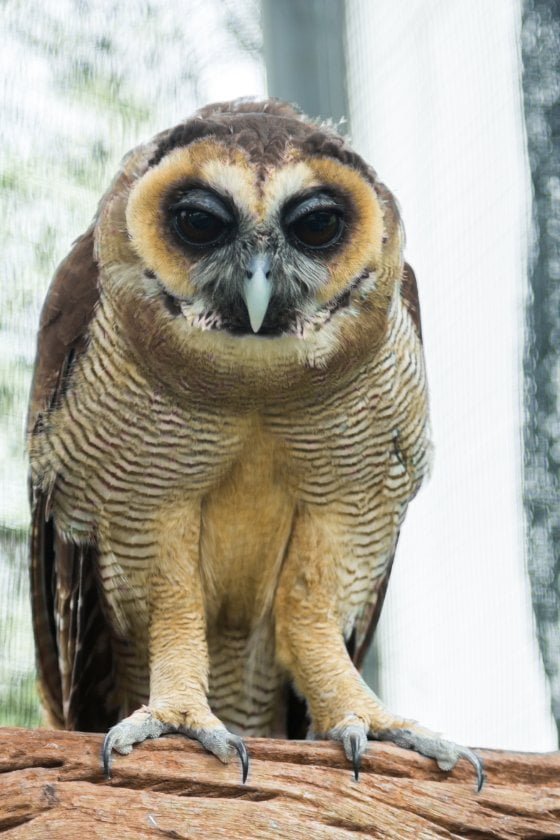
When you picture an owl, your mind likely goes to piercing eyes, a majestic wingspan, and maybe even a silent, gliding hunt. But what about the often-hidden architecture beneath all that soft plumage? The feathering on owl legs and feet is far more than just insulation; it's a testament to millions of years of evolutionary fine-tuning, revealing key survival adaptations essential for every aspect of an owl's life, from perching to predatory prowess. These specialized limbs and their unique coverings are crucial for everything an owl does, from silently ambushing prey to enduring the harshest climates.
At first glance, an owl's legs might seem short, almost stumpy, especially when tucked against its body. But peel back those feathers, and you discover a marvel of biomechanical engineering — unusually long, powerful, and exquisitely adapted limbs that are fundamental to perching, walking, hunting, flying, and even regulating body temperature.
At a Glance: Key Adaptations of Owl Legs & Feet
- Hidden Strength: Owl legs are remarkably long and powerful, though much of their length is often concealed by feathers.
- Unique Anatomy: What looks like a backward-bending knee is actually the ankle; the true knee is hidden high up. Owls walk on their toes.
- Deadly Grip: Zygodactyl feet (two toes forward, two back, with flexible rotation) and razor-sharp talons deliver crushing force.
- Feathered for Function: Leg feathering varies drastically by species, offering insulation in cold climates or allowing for cooling/drying in warmer/aquatic habitats.
- Silent Hunters: Leg feathers contribute to sound absorption, aiding silent flight, while feet sense ground vibrations.
- Species Specialists: Different owl species have evolved unique leg lengths and feathering patterns to suit their specific habitats and hunting styles.
Beyond the Fluff: Unveiling the Owl's Hidden Leg Anatomy
Beneath the dense, insulating feathers, an owl's leg is a study in specialized design. Unlike humans, whose knees bend forward, the apparent "knee" joint you see on a bird is actually its ankle. This optical illusion often leads to the misconception that birds' knees bend backward. In reality, the owl's true knee is tucked high up, close to its body and hidden under its dense plumage.
The bones themselves are distinct from ours. Owls have relatively short femurs (thigh bones), which stay close to the body. This centralizes their weight, contributing to exceptional flight stability. Below that, the tibiotarsus, analogous to our shin bone, is significantly elongated. Further down, the tarsometatarsus, a fusion of ankle and foot bones, extends to the digits. This unique skeletal arrangement means that owls, like all birds, are effectively walking on their elongated toes. This specialized structure allows for remarkable agility and strength, whether clinging to a branch or striking prey.
The Deadly Embrace: Talons and Grip Mechanics
An owl's foot is a formidable weapon and an indispensable tool. Each foot boasts four digits, each tipped with a razor-sharp talon. These talons are not merely sharp; they are designed for maximum penetration and grip, the primary killing instruments capable of delivering death by constriction, stabbing, or even spine severing.
Owls possess zygodactyl feet, a fascinating adaptation where two toes face forward and two face backward. However, many owl species have an even more remarkable ability: they can rotate their outer front toe backward. This allows them to switch between a zygodactyl (two-forward, two-back) and an anisodactyl (three-forward, one-back) configuration. This flexibility dramatically enhances their grip, whether they're clutching a slippery branch in a strong wind or securing struggling prey.
But the deadly grip extends beyond just talon placement. The underside of an owl's digits is often rough and lumpy, providing exceptional traction. For fishing owls, this roughness is amplified, almost like sandpaper, preventing slippery fish from escaping. Some species, like the Barn Owl, even have a serrated middle toe. This specialized comb-like talon serves multiple purposes: it can be used for preening, helping to keep their feathers in top condition, and crucially, for subduing and manipulating struggling prey.
The power behind this grip is astonishing. The entire foot is highly muscular, housing robust bones and incredibly strong flexor muscles. Species like the Great Horned Owl can exert a crushing force of 300 to 500 pounds per square inch (psi), enough to instantly incapacitate or kill even sizable prey.
Beyond raw power, owls also conserve energy through a remarkable flexor tendon locking mechanism. When an owl perches, its weight automatically pulls on tendons in its legs, causing the talons to clench and lock around the branch. This involuntary mechanism means they don't need continuous muscle exertion to maintain their grip, allowing them to perch for extended periods, or even sleep, without falling off. This ingenious adaptation highlights the efficiency built into every aspect of an owl's design. To understand more about the full range of adaptations, you might want to Discover more about Leg Owl and its crucial role in the owl's life.
Feathers as Thermostats: Insulation and Cooling Strategies
The feathering on an owl's legs and feet isn't just for aesthetics; it plays a critical role in thermoregulation, helping these birds survive in diverse climates. The density and presence of these feathers vary significantly across species, tailored precisely to their environmental needs.
In frigid environments, such as the Arctic tundra, species like the Snowy Owl and the Great Horned Owl boast heavily feathered legs and feet. These dense feathers act as exceptional insulation, trapping a layer of warm air close to the skin. This protection is vital for preventing frostbite and maintaining core body temperature in sub-zero conditions. This extensive feathering also creates a "snowshoe effect," allowing them to walk silently and efficiently over snow without sinking deeply, a crucial advantage when hunting small mammals hidden beneath a snowy crust.
Conversely, owls living in warmer, arid habitats, like the Burrowing Owl, exhibit minimal leg feathering or even bare legs. This reduced plumage allows for greater heat dissipation, helping them stay cool in scorching temperatures. Similarly, species that hunt in water, such as Fish Owls, have unfeathered or very lightly feathered legs. This adaptation prevents their legs from becoming waterlogged, allowing them to grab slippery prey more effectively and dry off quickly. The absence of heavy feathers here prioritizes function and quick drying over insulation.
Adding to this thermoregulatory prowess, owl feet contain extra blood vessels. These vessels can dilate, bringing more blood to the surface of the feet to radiate excess heat away from the body in warm conditions. In cold conditions, they constrict, minimizing heat loss. The intricate interplay between feathering density and vascular control allows owls to thrive in an incredible range of global temperatures.
Species Spotlight: How Different Owls Adapt Their Legs and Feet
The specific adaptations in leg length and feathering are deeply intertwined with an owl's habitat and hunting methodology. Each species presents a unique case study in evolutionary specialization.
The Ground-Dwelling Sprinter: Burrowing Owls
Burrowing Owls are perhaps the most distinctive in their leg adaptations. They possess proportionally the longest legs among all owl species. This isn't just for show; it's a critical tool for their lifestyle. These owls are highly terrestrial, spending much of their time on the ground in open habitats. Their long legs enable them to run swiftly, chasing down insects and small rodents with surprising speed. They also use their powerful legs for digging and maintaining their underground burrows, which provide shelter and nesting sites. Given their arid, often hot environments and ground-dwelling habits, Burrowing Owls have minimal leg feathering, allowing for efficient heat dissipation and freedom of movement.
The Forest Maneuverers: Woodland Owls
In contrast to their open-habitat cousins, forest-dwelling owls often exhibit shorter legs. Species that navigate dense vegetation, like many screech owls or tawny owls, benefit from shorter limbs that reduce the chance of entanglement. This allows for superior maneuverability through branches and undergrowth, enabling them to perch and hunt effectively in complex arboreal environments. Their feathering is typically moderate, providing insulation suited to temperate forest climates without impeding movement.
The Grassland Grappler: Barn Owls
Barn Owls are renowned for their silent flight and exceptional hunting prowess in open grasslands. Their legs are long and slender, proportionally the longest per body size among owls. These elongated limbs allow them to reach deep into tall grasses to snatch rodents hidden below the canopy. Their legs are also relatively lightly feathered, which, combined with highly flexible toe rotation, enables them to precisely position their talons for a deadly, vice-like grip on fast-moving prey. The serrated middle toe, as mentioned earlier, is particularly useful for grooming and for securing their slippery, squirming catches.
The Aquatic Anglers: Fish Owls
Fish Owls, found in various parts of Asia and Africa, represent a pinnacle of aquatic adaptation among owls. Their legs are robust and powerful, designed to strike and hold onto slippery prey. Crucially, their toes are large, unfeathered, and exceptionally rough-soled. This specialized texture provides superior grip on wet, slimy fish. The lack of feathering ensures their legs don't get waterlogged, allowing for quick drying and efficient hunting in and around water bodies. They can stand for extended periods in shallow water, patiently waiting to snatch their next meal.
The Silent Advantage: Legs and Feet in Flight and Hunt
Beyond their role in perching and striking, owl legs and feet are integral to their legendary silent flight and hunting success.
In flight, owls tuck their long legs tightly against their bodies. This serves a critical aerodynamic purpose, minimizing drag and allowing for the streamlined, efficient flight that characterizes these nocturnal predators. The feathers on their legs also contribute to this silent prowess. Like the specialized feather structure on their wings, leg feathers can help absorb sound and reduce turbulence, further dampening any noise produced by their movement through the air.
During the hunt, the extended legs become vital tools. Owls use them to strike prey from above, reaching deep into tall grass, dense undergrowth, or even a thick layer of snow to secure a hidden meal. The precision of this strike is phenomenal, often guided by their acute hearing. In fact, their feet play a direct role in enhancing this sensory input: owls can sense ground vibrations through their feet, providing additional cues that refine their hearing accuracy and pinpoint the exact location of unseen prey. This combined sensory input makes for an incredibly effective predatory strategy.
From Owlet to Apex Predator: Development of Legs and Feet
The journey of an owl's legs and feet begins long before they become the formidable tools of an adult hunter. Owlets are born with proportionally large feet, which might seem cumbersome at first glance. These early feet are equipped with soft, flexible talons, not yet hardened for the rigors of hunting.
As the owlet grows, its legs experience rapid development. They lengthen significantly, and the sparse, downy feathers gradually give way to the dense, specialized plumage seen in adults. This development is crucial, preparing the young owl for its future role as a skilled predator. The talons harden, the muscles strengthen, and the unique feathering patterns emerge, perfectly tailored to the specific survival challenges of their species and habitat. This developmental progression ensures that by the time an owl is ready to leave the nest, its legs and feet are fully equipped to navigate, hunt, and thrive.
The Unseen Engineering: Appreciating Owl Leg Adaptations
The intricate design of feathering on owl legs and feet often goes unnoticed, hidden beneath layers of down and contour feathers. Yet, it's a critical component of their survival toolkit. From the powerful grip enabled by zygodactyly and a locking tendon mechanism to the thermal regulation provided by varying feather densities, every aspect of an owl's lower limbs is a testament to natural selection's brilliance. These adaptations allow them to thrive in virtually every corner of the globe, silently dominating their nocturnal niches. The next time you see an owl, take a moment to appreciate the unseen engineering of its legs and feet – a crucial, yet often overlooked, element in what makes these birds such extraordinary predators.