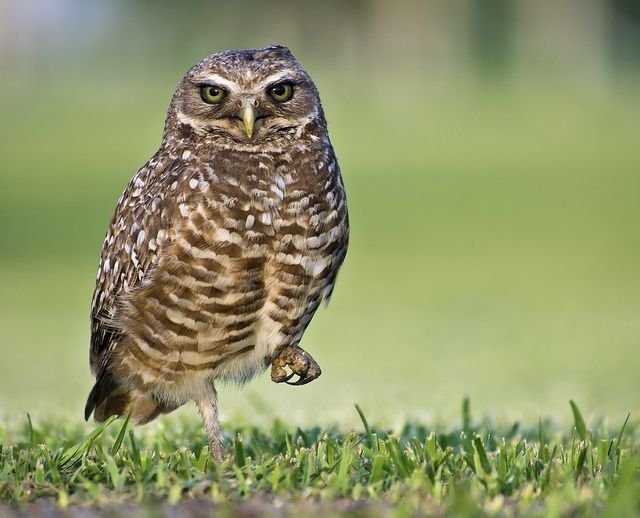
The image of an owl perched majestically often brings to mind a compact, feathered predator. What many don't realize is that beneath that dense plumage lies a surprising secret: owl legs are often far longer and more powerful than they appear, a masterclass in avian engineering designed for survival, stealth, and lethal efficiency. These hidden limbs are not merely for perching; they are complex tools, meticulously adapted by evolution for everything from silent hunting to navigating challenging terrains.
This Super Pillar Hub article dives deep into the incredible world of the "leg owl," revealing the anatomical wonders and behavioral marvels that make these limbs so vital to an owl's success. We'll uncover how these often-overlooked features contribute to their prowess as apex predators.
The Hidden Power: Unveiling the Owl's True Stature
At first glance, an owl appears to sit directly on its perch, its legs seemingly short or non-existent. This illusion is thanks to dense feathering and their unique skeletal structure where the ankle joint is positioned much higher than we'd expect. In reality, an owl's legs are surprisingly long and robust, designed to extend significantly for striking prey or navigating their environment. This hidden length provides the reach needed to snatch rodents from deep snow, thick grass, or dense underbrush.
Beyond mere length, these limbs pack remarkable strength. Their primary purpose is to capture and hold prey with an iron-clad grip, often snapping small bones with crushing pressure. Understanding this foundational design is key to appreciating their predatory success. To truly grasp the framework supporting this hidden strength, you'll want to Explore Owl Leg Anatomy Owl Leg.
Master Mechanics: The Anatomy of a Predator's Limb
An owl's leg is a marvel of biological engineering, comprising three major bone sections: the femur (thigh), tibia (shin), and tarsus (foot). Each section plays a crucial role in enabling their diverse functions, from forceful strikes to nimble perching. The way these bones articulate, combined with powerful muscles and unique tendons, allows for extraordinary flexibility and strength. Their ankles, located higher up than commonly perceived, give the impression of perpetually bent knees, further adding to the compact appearance.
The true genius, however, lies in the intricate interplay of muscles and tendons. Owls possess an incredible tendon-locking grip mechanism, allowing them to secure prey or maintain a perch for extended periods without expending constant muscular energy. This "automatic" locking system is a testament to their evolutionary efficiency, ensuring a secure hold even during intense struggles. Delve deeper into the intricate workings of these powerful systems to Explore owl limb anatomy.
Built for the Hunt: Talons, Grip, and Striking Precision
The business end of an owl's leg is its feet, equipped with razor-sharp, curved talons and a highly specialized arrangement known as zygodactyl feet. This means two talons point forward and two backward, with the outer toe being reversible. This unique configuration provides unparalleled grip, balance, and the ability to capture and manipulate prey from almost any angle. The power of their grip is legendary, capable of sensing a prey's heartbeat through the talons, allowing for precise and deadly force application.
Whether it's a Barn Owl making a stealthy strike or a Great Horned Owl grabbing prey from a tree branch, the legs and feet are central to their hunting strategy. The incredible joint flexibility also allows their feet to rotate significantly, aiding in balance, climbing, and gripping awkward surfaces. To fully appreciate the precision and power behind their every move, discover How owl legs hunt and perch.
Feathered for Survival: Insulation, Stealth, and Camouflage
One of the most distinctive features of many owl species, especially those in colder climates like the Snowy, Great Grey, and Boreal Owls, is the extensive feathering on their legs and feet. These dense feathers serve multiple critical functions. Primarily, they provide exceptional insulation, protecting the owl from harsh, freezing temperatures, allowing them to thrive in environments where other predators would struggle.
Beyond warmth, leg feathering also plays a crucial role in stealth. The soft down absorbs sound, contributing to an owl's near-silent flight, allowing them to approach unsuspecting prey unheard. In species like the Snowy Owl, these feathers also provide camouflage, blending seamlessly with their snowy surroundings. While not all owls have fully feathered legs, their presence is a clear adaptation to specific environmental pressures. Learn more about these remarkable insulating and stealth features when you Explore owl feathering techniques.
Beyond Flight: Locomotion and Versatile Movement
While owls are renowned for their silent flight, their legs are used for much more than just perching and capturing prey. These versatile limbs enable a surprising array of movements on land and within their habitat. Burrowing Owls, for instance, are agile runners, using their short, powerful legs to chase insects and small vertebrates across grasslands and navigate their subterranean homes. Other species engage in branch hopping and climbing, using their flexible joints and strong grip to move through dense foliage.
Owls can also stand on one leg during rest, a behavior that helps conserve body heat. While they don't walk gracefully in the human sense, their coordinated movements allow them to navigate their specific niches effectively. From subtle adjustments on a perch to powerful leaps, the owl's legs are constantly in motion, performing crucial tasks. To observe the full spectrum of their terrestrial movements, click through to Locomotion & Movement: How Owls.
Species Spotlights: Leg Adaptations Across the Owl World
The length and structure of an owl's leg vary significantly depending on its species and habitat, reflecting specific evolutionary adaptations.
- Snowy Owls, living in the Arctic tundras, boast thick, feathered legs that provide maximum warmth and blend seamlessly with snow.
- Great Horned Owls, common in forests, have among the longest and strongest legs in North America, perfectly suited for grabbing prey from branches.
- Burrowing Owls, residents of grasslands, possess short, robust legs built for fast running and digging.
- Marsh Owls exhibit long legs that allow them to wade through shallow waters while hunting.
- Screech Owls have shorter legs, ideal for compact movement within dense forest environments.
These variations highlight how nature fine-tunes anatomy to optimize survival in incredibly diverse ecological niches.
A Legacy of Adaptation
The owl's leg, far from being a simple appendage, is a testament to the power of natural selection. It’s a dynamic, multi-functional tool — from its hidden length and powerful musculature to its specialized talons and insulating feathers — each element working in concert to create one of nature's most efficient predators. As we continue to unravel the mysteries of these incredible birds, the "leg owl" reminds us that true strength and sophistication often lie hidden beneath the surface, waiting to be discovered.