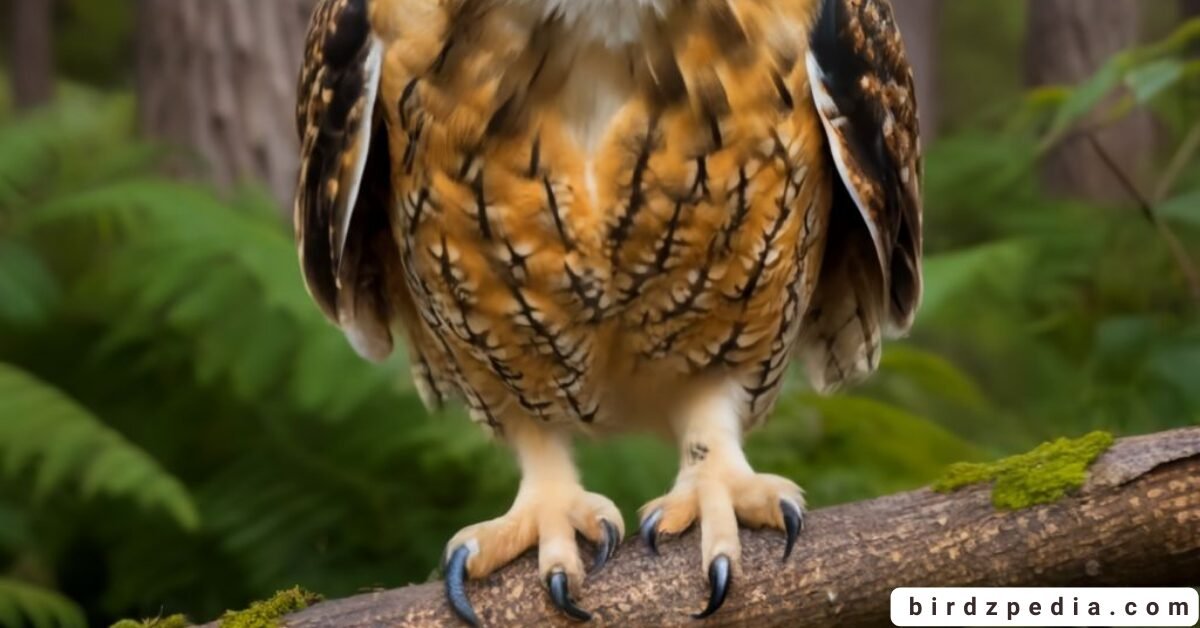
Ever watched an owl silently glide through the night, then suddenly plunge, talons first, into unseen prey? It’s a breathtaking display of predatory skill, and much of that prowess lies hidden beneath a cloak of feathers: the specialized adaptations of owl legs for hunting and perching. These remarkable limbs are engineering marvels, perfectly tuned for a life of silent flight, powerful strikes, and secure roosting.
What might seem like a simple pair of bird legs is, in fact, a complex system of bones, muscles, and unique toe arrangements that enable owls to dominate their nocturnal niche. Forget what you think you know about bird anatomy; owl legs have a few surprises up their sleeves – or rather, up their dense plumage.
At a Glance: Owl Leg Superpowers
- The "Ankle Knee": What looks like an owl's knee is actually its ankle. Its true knee and upper leg are hidden high on its body.
- Long Shin Bones: These surprisingly long bones provide reach for hunting and stability for perching.
- Zygodactyl Toes: Two toes forward, two backward, with the outer toe swiveling for ultimate grip.
- Punching Power: Legs deliver immense force, allowing owls to "punch" through snow or leaves to snatch hidden prey.
- Crushing Grip: Talons and feet exert incredible pressure, instantly incapacitating prey.
- Feathered for Function: Leg feathering varies by species, offering insulation in cold climates or streamlined agility for fish-eaters.
Unmasking the Owl's True Leg Anatomy: It's Not What You Think
When you observe an owl, especially one perched or walking, its legs often appear short and stubby, barely emerging from its dense feathers. This visual is entirely misleading. What you're seeing as the "knee" is actually the owl's ankle joint (the tarsus). The owl's true upper leg—its thigh bone (femur) and knee joint—is tucked tightly against its body, high up and almost completely concealed by feathers.
This clever anatomical arrangement means that the visible portion of an owl's leg, the "shin" bone (tarsometatarsus), is actually quite long. This elongated segment contributes significantly to the owl's overall length, agility, and predatory effectiveness. The bones themselves are a testament to evolutionary efficiency: lightweight enough for silent, effortless flight, yet sturdy enough to withstand the immense forces involved in striking and securing prey. These powerful, elongated limbs are collectively often referred to as "tarsi" by ornithologists.
The Zygodactyl Advantage: Toes Built for Grip
One of the most distinctive and crucial adaptations of an owl's foot is its toe arrangement, known as zygodactyly. Unlike many birds that have three toes forward and one back (anisodactyly), owls boast a unique configuration: two toes face forward, and two face backward.
But here's the kicker: the outer, fourth toe isn't fixed. It's incredibly versatile, capable of swiveling forward or backward at will.
- For Perching: This swivel allows the owl to achieve a remarkably secure, wide grip on a branch, even if it's irregular or slippery. Think of it like a natural vice, offering unparalleled stability.
- For Hunting: When an owl descends on its prey, this adaptability is critical. The ability to shift that outer toe backward creates an even wider, more encompassing grip, ensuring a firm hold on struggling prey. It means the owl can instantly switch from a perching grip to a prey-capturing grip, maximizing its chances of success.
Silent Flight, Secure Perch: Legs in Action Beyond the Strike
While the dramatic hunt often captures our imagination, an owl's legs are hard at work in less flashy, but equally vital, activities. Their specialized structure underpins much of their day-to-day survival.
Effortless Flight Dynamics
The hidden short femur and surprisingly long shin bones play a subtle yet essential role in an owl's flight. This bone structure and positioning allow for:
- Swift Take-offs: The compact upper leg and powerful lower leg muscles provide the necessary leverage for quick, explosive liftoffs, crucial for avoiding danger or launching a surprise attack.
- Precise Landings: The elongated lower limbs act like shock absorbers, enabling incredibly soft and accurate landings, whether on a narrow branch or a rocky outcrop.
- Agile Maneuvering: During silent flight, the legs are tucked close to the body, minimizing drag and allowing the owl to weave through dense forests or adjust trajectory with precision, an absolute must for a predator that relies on stealth.
The Art of Secure Perching
Owls spend a significant portion of their lives perched, watching, waiting, and resting. Their legs are perfectly designed for this static yet demanding task. The long shin bones, combined with the powerful, flexible zygodactyl feet, allow them to:
- Grip Varied Surfaces: From the slenderest twig to the broadest tree limb, rough bark, smooth rocks, or even human-made structures, owls can find a stable anchor.
- Maintain Balance: The wide, firm grip provided by the swivel toe ensures superb balance, even in windy conditions, conserving energy and keeping them ready for action.
The Hunter's Secret Weapon: Legs Built for the Kill
This is where owl legs truly shine. Every aspect of their structure and function is geared toward the efficient, decisive capture of prey.
Reach, Leverage, and the Element of Surprise
That deceptive leg length isn't just for show. It provides a significant mechanical advantage during a hunt:
- Punching Through Cover: The extended leg length allows owls to "punch" through surprisingly thick ground cover—be it deep snow, tall grass, or layers of leaf litter—to reach hidden prey below. This is a game-changer for hunting small mammals that often burrow or hide.
- Maximizing Distance: When an owl dives, those long limbs maximize the strike distance, allowing the owl to reach its target even if it shifts slightly. This extended reach minimizes the owl's exposure to potentially dangerous prey, keeping its body further away from any last-ditch defensive efforts.
Unrivaled Power and Impact
The length and musculature of an owl's legs are directly correlated with the power it can deliver upon impact. This isn't just about grabbing; it's about delivering a rapid, incapacitating blow.
- Devastating Force: Consider the Barn Owl. It can strike prey with a force equivalent to 150 times a mouse’s body weight. This immense power isn't just for grip; it's primarily for rapidly penetrating the substrate – snow, soil, or vegetation – to secure prey before it can escape. The swift, powerful action ensures a quick, clean kill, minimizing struggle and risk to the owl.
The Crushing Embrace: Grip Strength and Talons
Once contact is made, the feet and talons take over, locking onto the prey with astonishing strength.
- Razor-Sharp Talons: Each toe is tipped with a sharp, curved talon designed for piercing and holding. These aren't just hooks; they are finely honed instruments of predation.
- Instant Incapacitation: Owls possess incredibly powerful feet. A Great Horned Owl, for example, can exert a grip strength of up to 500 pounds per square inch. To put that into perspective, the average human grip strength is around 70-100 psi. This immense pressure allows the owl to instantly incapacitate prey by crushing vital organs or breaking bones, ensuring a swift end and preventing injury to itself.
- Carrying Capacity: This extraordinary grip strength is also essential for carrying captured animals to a safe, secluded feeding spot, often a significant distance from the kill site.
Predatory Behavior: Lunging, Swooping, Snatching
Owl legs are central to nearly every predatory maneuver. Whether hunting from a perch or in full flight, their limbs are the final, decisive tool.
- Perch-to-Prey Lunges: From a high vantage point, an owl can spot prey, then lunge forward with its powerful legs extended, seizing the unsuspecting animal.
- Mid-Flight Snatching: Many owls are adept at swooping down to snatch small mammals like mice and voles from the ground or even insects from the air, their legs extending in a perfectly timed grab. This blend of agility and power is part of what makes owls such effective hunters, allowing them to adapt their technique to the specific hunting scenario and prey type.
Adapting to the World: Environmental Specializations
Just as different owl species hunt different prey in varying habitats, their leg adaptations also show remarkable diversity, fine-tuned to their specific ecological niche.
Leg Length: A Niche Indicator
The length of an owl's legs often provides clues about its hunting strategy and preferred environment:
- Longer Legs for Ground Hunting: Species like the Great Horned Owl, known for hunting larger prey, often have longer legs. This allows them to effectively pursue prey on the ground, navigate dense vegetation, and provides stability for absorbing the shock of high-speed dives, ensuring secure landings. Ground-dwelling owls, such as the Burrowing Owl, take this to an extreme. Their remarkably elongated limbs enable them to run rapidly across open terrain and maneuver swiftly within their underground burrows.
- Shorter Legs for Agility: Conversely, some owls specializing in smaller, more agile prey or those that hunt in very open habitats might have proportionally shorter legs. This can enhance maneuverability for quick aerial pursuits or darting movements. The balance here is key; even "shorter" legged owls retain the power and grip needed for their specific targets.
Feathering: Insulation, Protection, and Stealth
The feathering on an owl's legs is not just aesthetic; it's a critical adaptation to its environment and hunting style.
- Insulation in Cold Climates: In frigid environments, such as the Arctic tundra where the Snowy Owl thrives, dense feathering extends all the way down the legs and even covers the toes. This acts like a natural down coat, offering superb insulation, preventing heat loss, and keeping the owl’s body elevated above cold, snowy surfaces. The feathered legs are an essential part of its cold-weather survival kit.
- Streamlined for Water: On the other end of the spectrum, fish-eating species, like the African Fishing Owl, often have less feathering or even bare legs and specialized scales. This prevents waterlogging, allows for quick drying, and offers better grip on slippery fish.
- Stealth and Protection: Regardless of length or climate, the dense leg feathering also serves a protective function, shielding the delicate bones and muscles from injury during powerful strikes or while navigating rough terrain. It also contributes to the owl's overall silent flight, dampening any sound that might otherwise emanate from limb movement.
From Anatomy to Action: The Holistic Hunter
Understanding the specialized adaptations of owl legs is to truly appreciate the incredible complexity and efficiency of these nocturnal predators. It's not just a single feature but a symphony of anatomical and behavioral traits working in concert. From the illusion of short legs to the reality of powerful, extended limbs, the swiveling zygodactyl toes, the crushing grip, and the environmentally tailored feathering, every element contributes to the owl’s success.
These adaptations underscore why owls are such formidable hunters, masters of their domain. They remind us that nature's engineering solutions are often the most elegant and effective, proving that sometimes, the greatest strengths are those you can't see at first glance. To learn more about owls in general, you might want to explore Your guide to Leg Owl, which covers a wide range of fascinating insights into these captivating birds.